Remembering Your First Visit to a Stadium
Remembering your first visit to a stadium is easier when you choose one personal detail to keep, without turning the match into a sightseeing task.
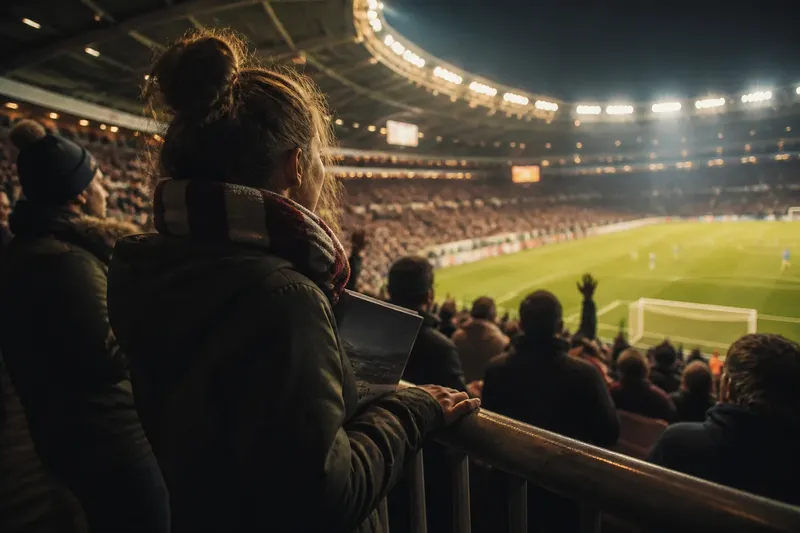
Your programme is still tucked under your arm when the crowd rises around you, and the sound seems to come from every side at once. Remembering your first visit to a stadium is less about recording the whole ground than holding on to a moment that belongs to you.
A few details can make that memory vivid: the feel of the rail beneath your hand, a neighbour’s reaction to a near miss, or the sudden hush before play resumes. Let the match remain the main event. You are not there to complete an inventory.
Which details become part of the memory?
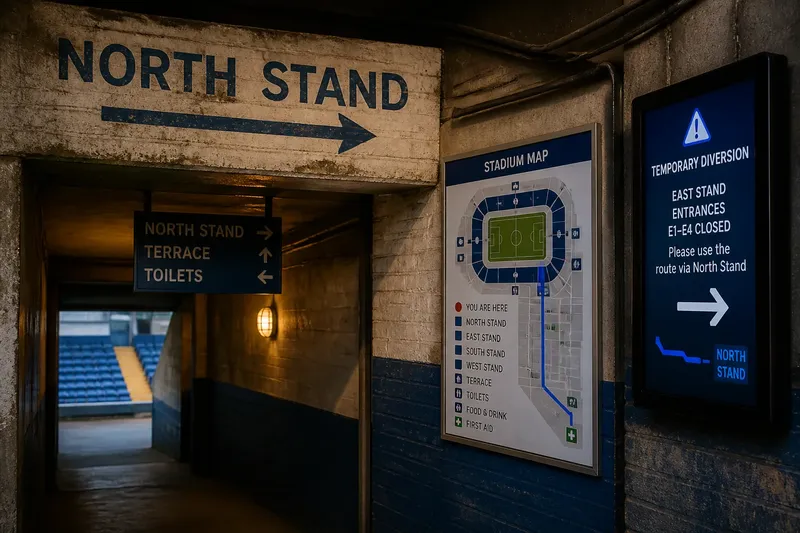
Look for details connected to a feeling or a change in the day. A painted sign may be striking, but it becomes more memorable if it was beside the place where your family regrouped or where you first heard the crowd sing together.
Sounds and gestures can be just as distinctive as architecture. You might remember a shared groan, the rustle of coats as people stand, or a stranger passing along a message about a player’s injury. The personal connection is what makes a detail stick.
How can you keep a memory without watching through a screen?
Choose one simple way to remember the day, and use it only when there is a natural pause. You might jot a phrase in your phone after the match, keep the ticket with a note on the back, or take a single photo of a view that matters to you. Check the ground’s rules before taking photographs or recording.
It is not worth trying to photograph every chant, play or expression. The effort can pull your attention away from the moment you wanted to remember. A quick note afterwards can preserve a personal impression without asking you to document the whole occasion.
What is worth keeping from the visit?
Use this small memory check after the match. For each item, notice what happened and choose the next action accordingly:
- A sound: If one chant or reaction still comes to mind, write down where you were and what prompted it; if no sound stands out, leave this blank and note a visual detail instead.
- A view: If a particular glimpse of the pitch or stands connects to a moment, describe that moment; if it feels like any other view, do not force it into your note.
- An object: If your ticket, programme or scarf has a clear link to the day, keep it with a short note; if it is just clutter, keep the memory in words instead.
- A person: If someone’s kindness or reaction shaped the visit, record the gesture without naming them; if no interaction mattered to you, focus on your own response.
- A change in mood: If you remember feeling nervous, excited or settled at a particular point, note what changed; if the feeling is hard to place, describe the moment rather than guessing at its meaning.
- A shared ritual: If a clap, song or pause brought people together, note when it happened; if you did not notice a ritual, do not search for one after the fact.
Each item is an option, not an assignment. If a detail feels forced, leave it out. A short, honest memory is more useful than a long list assembled from things you think you ought to recall.
How do you turn a moment into a useful note?
Say you attend a match with your sister and start with a blank note on your phone. During the second half, you notice that she grips her programme during a tense attack, then laughs when the ball goes wide. After leaving the ground, you write: “She held the programme tight, then laughed at the miss.” The result is a small, specific memory tied to your shared experience; you do not need to add a full account of the match.
If you kept a ticket or programme, pair it with a sentence about why it matters rather than expecting the object to explain itself later. If you took a photograph, add a note about what was happening just outside the frame. That context can bring the scene back more clearly.
What do first-time visitors often ask?
Should I take photos during the match?
Follow the ground’s rules and take a photo only if it will not distract you or the people nearby. If holding your phone up would interrupt the moment, keep the memory in a note afterwards instead.
What if I cannot remember many details?
Start with one thing you can recall clearly, such as a sound, a feeling or something a companion said. If more comes back later, add it then; there is no need to fill in gaps by guessing.
Is a ticket worth keeping?
Keep it if it connects to a memory you want to revisit, and add a short note so the reason remains clear. If it has no meaning to you, a sentence in your phone can do the same job.
How can I remember the crowd without recording strangers?
Describe the shared sound or movement rather than singling out people or capturing them without care. If a particular person’s actions mattered, write about the gesture without identifying them.
How can the memory stay yours?
Use the detail that feels most connected to your own day, not the one that seems most impressive. Someone else may remember the score; you may remember a companion’s laugh, the crowd’s sudden quiet or the warmth of a scarf around your hands.
Remembering your first visit to a stadium can begin with one sentence written on the way home. Add only what helps you return to the feeling of being there, and let the rest remain part of the day rather than a record you have to complete.